

Looking for the best day trips from Lisbon? Portugal’s capital is a great starting point for exploring fairytale palaces, medieval towns, Atlantic beaches, and historic cities — many within easy reach of Lisbon.
For an easy day trip without a car, take the train to Sintra for its famous palaces or Cascais for beaches and coastal walks. If you love history, consider Óbidos or Évora. For nature and seaside escapes, explore Arrábida, Comporta, or Nazaré. You can also combine Fátima and Nazaré in one longer day trip.
In this guide, I’ll share eight destinations to explore from Lisbon, including what to see, how to get there, and practical tips for planning your trip. Whether you prefer public transport, a rental car, or a guided tour, you’ll find ideas to help you choose the right day trip.
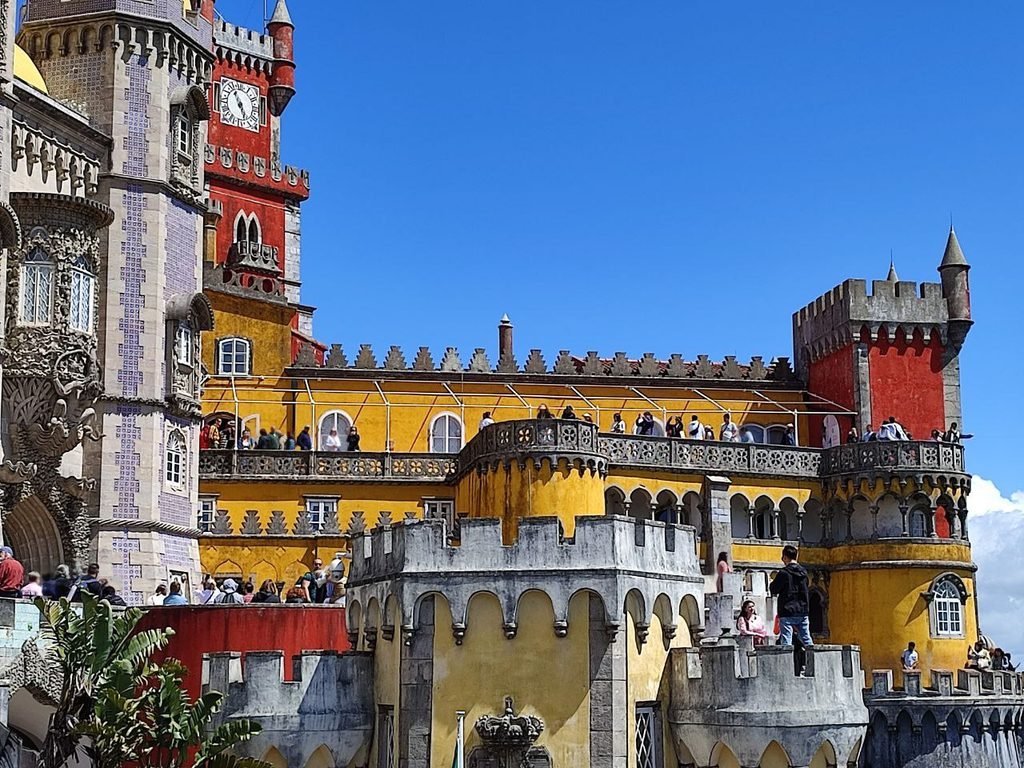
Pena Palace in Sintra, one of the most popular day trips from Lisbon. Photo: Portugal Paths.
Key Takeaways
- Best day trip for palaces: Sintra — explore Pena Palace, Quinta da Regaleira, and the Moorish Castle.
- Best easy coastal escape: Cascais — enjoy beaches, coastal walks, and seafood restaurants. You can get there by train from Lisbon.
- Best trips for history lovers: Óbidos for its medieval streets and Évora for its Roman Temple and UNESCO-listed historic center.
- Best for nature and beaches: Arrábida and Comporta — ideal for scenic landscapes, quieter beaches, and outdoor activities.
- Best for a longer day trip: Combine Fátima and Nazaré to discover a famous pilgrimage destination and Portugal’s Atlantic coast.
The Best Day Trips From Lisbon: Why You Should Explore Beyond the City
One of the biggest advantages of staying in Lisbon is the variety of destinations you can explore in a single day. Sintra and Cascais are convenient choices for travelers using public transport, while places such as Arrábida and Comporta offer more flexibility when explored by car. For longer journeys to Évora or a combined Fátima and Nazaré trip, it’s worth planning your transport and sightseeing stops in advance.
Transportation Options and Costs
Choosing the right transport depends on your destination. Trains are convenient for independent trips to Sintra and Cascais, while intercity buses can be useful for reaching towns such as Óbidos and Nazaré. Renting a car offers more flexibility for exploring Arrábida’s beaches, Comporta, and destinations with limited public transport connections. Before traveling, compare departure times, return services, and the total cost of your journey.
- Trains: Check schedules and ticket prices on the official CP (Comboios de Portugal) website. For Sintra, trains depart from Rossio; for Cascais, from Cais do Sodré.
- Buses: Compare routes and return departure times before booking. Some destinations have fewer services on weekends and public holidays.
- Car Rentals: Consider parking availability, toll roads, and fuel costs. A car is especially useful for visiting several places in one day or reaching beaches outside major towns.
For more information about getting around Portugal, including trains, buses, metro services, car rentals, and transfers, read our Portugal Transportation Guide.
Planning Your Day Trip Schedule
Before planning your day trip from Lisbon, check train or bus schedules, attraction opening hours, and the time needed to travel between sights. For popular destinations such as Sintra, book timed-entry tickets in advance when required and allow extra time for local transport. If you’re visiting several places in one day, start early and prioritize two or three main attractions rather than rushing through everything. Always check your return transport options before leaving Lisbon.
Sintra: A Fairytale Destination of Palaces and Castles
Sintra is one of the most popular day trips from Lisbon, famous for its colorful palaces, historic castles, and forested hills. You can reach Sintra by train from Lisbon’s Rossio station, making it a convenient destination without a rental car. However, the main attractions are spread across the hills, so planning your route and allowing time for local transport is essential. For a comfortable day trip, choose two or three main sights rather than trying to see everything.
Must-See Attractions in Sintra
Sintra has several famous attractions, but visiting all of them in one day can be exhausting. These three are worth considering when planning your itinerary:
- Pena Palace and Park: Famous for its colorful architecture and panoramic views. Check ticket options and entry times in advance, especially during busy periods.
- Quinta da Regaleira: Explore its gardens, symbolic architecture, and famous Initiation Well. Allow enough time to walk around the grounds.
- Moorish Castle: Walk along the historic castle walls and enjoy sweeping views over Sintra. Wear comfortable shoes, as some paths are steep and uneven.
Pena Palace is one of Sintra’s most recognizable landmarks, known for its colorful towers and hilltop setting. The surrounding park is also worth exploring, with wooded paths, gardens, and viewpoints. If you plan to visit the palace interior, check the official ticket options and entry requirements before your trip. Allow extra time to reach the palace from Sintra’s historic center, especially during busy periods.
Quinta da Regaleira
Quinta da Regaleira is one of Sintra’s most fascinating attractions, known for its landscaped gardens, underground passages, and famous Initiation Well. Exploring the estate takes time, so allow around 1.5–2 hours for your visit. Wear comfortable shoes for the garden paths, and check ticket availability and opening hours before arriving. The estate is within walking distance of Sintra’s historic center, although the route includes some uphill sections.
Moorish Castle
The Moorish Castle (Castelo dos Mouros) is a medieval fortress perched high above Sintra, offering panoramic views of the surrounding hills and, on clear days, the Atlantic coast. Walking along its historic walls is one of the highlights of a visit, but be prepared for steep steps and uneven stone paths. Allow approximately 1–1.5 hours to explore the castle, and check opening hours and weather conditions before visiting. The castle is close to Pena Palace, making it convenient to combine both attractions in one day.
How to Get from Lisbon to Sintra
The easiest way to travel from Lisbon to Sintra is by train from Rossio station. The journey takes approximately 40 minutes. Once you arrive at Sintra train station, you can use local buses to reach the main attractions. Bus 434 serves Pena Palace and the Moorish Castle, while bus 435 connects to Quinta da Regaleira and other nearby sights. Check current train and bus schedules before your trip, and allow extra travel time during busy periods.
| Transportation | Duration | Frequency |
|---|---|---|
| Train: Rossio → Sintra | Approx. 40 minutes | Check CP timetable |
| Bus 434: Pena Palace and Moorish Castle | Varies by stop and traffic | Check current schedule |
| Bus 435: Quinta da Regaleira | Varies by stop and traffic | Check current schedule |
My Recommended Itinerary for One Day
Start your day early and head to Pena Palace, allowing time to explore the palace and surrounding park. If you enjoy historic fortifications and panoramic views, visit the nearby Moorish Castle next. After lunch, return towards Sintra’s historic center and explore its charming streets. If you still have enough time and energy, consider visiting Quinta da Regaleira. For a more relaxed day trip, choose two main attractions instead of trying to visit all three. Remember to check ticket availability and allow time for transport between sites.
Local Tips for Avoiding Crowds
Sintra is especially busy on weekends, public holidays, and during the summer months. If possible, visit on a weekday and start your sightseeing early. Book tickets for popular attractions such as Pena Palace in advance, and check whether a specific entry time is required. Allow extra time for local buses, which can become crowded during peak hours. To enjoy a quieter experience, spend some time exploring Sintra’s historic streets and gardens away from the busiest attractions. Keep in mind that early arrival does not guarantee shorter queues, particularly during peak season.
Cascais: The Charming Coastal Retreat
Cascais is one of the easiest coastal day trips from Lisbon, combining sandy beaches, a charming historic center, and scenic Atlantic views. You can reach Cascais by direct train from Lisbon’s Cais do Sodré station, making it a convenient choice without a car. Spend your day exploring the waterfront, relaxing on a beach, visiting Boca do Inferno, or enjoying fresh seafood at a local restaurant. Unlike Sintra, Cascais is a good destination for travelers who prefer a more relaxed day with fewer attractions to fit into their schedule.
Best Beaches and Activities in Cascais
Cascais offers a mix of beaches, coastal scenery, and historic attractions. Praia da Conceição is close to the town center and train station, making it a convenient choice for swimming and relaxing by the sea. Praia do Guincho, located farther from central Cascais, is known for its strong winds and waves, attracting surfers and windsurfers. Reaching Guincho requires additional transport, so plan accordingly. For sightseeing, explore the Cascais Citadel and walk along the coast to Boca do Inferno, a dramatic rock formation where Atlantic waves crash against the cliffs. If you have only one day, combine a walk through the historic center with one beach and one or two nearby attractions.
Transportation Options to Cascais
The easiest way to reach Cascais from Lisbon is by direct train from Cais do Sodré station. The journey usually takes around 40 minutes and follows a scenic coastal route. Cascais train station is within walking distance of the historic center, waterfront, and several beaches, so you won’t need a car for most central attractions. If you plan to visit Praia do Guincho or explore farther along the coast, consider local buses, a taxi, or a rental car. Check the official CP (Comboios de Portugal) website for current train schedules and ticket prices before traveling.
| Transportation Method | Duration | Frequency |
|---|---|---|
| Train: Cais do Sodré → Cascais | Approx. 40 minutes | Check CP timetable |
| Car from Lisbon | Varies with traffic | N/A |
| Guided Tour | Depends on the itinerary | Check tour details |
Where to Eat Like a Local in Cascais
Cascais is a great place to try traditional Portuguese cuisine, especially fresh fish and seafood. For a seafood-focused meal, consider O Pescador, a long-established restaurant in the historic center known for its fish and shellfish dishes. Another option is A Nova Estrela, a popular family-style restaurant serving traditional Portuguese food, including fish and cod specialties. Both are worth considering for lunch after exploring the town. Check current opening hours and consider booking ahead, particularly during weekends and the summer season.
Combining Cascais with Sintra: The Perfect Duo
Sintra and Cascais can be combined into one day trip from Lisbon, but it requires careful planning. The two destinations offer very different experiences: Sintra is known for its palaces and historic sites, while Cascais is ideal for beaches and coastal walks. If you want to visit both in one day, start early, choose just one main attraction in Sintra, and spend the afternoon exploring central Cascais. Traveling between the towns takes additional time, so check transport connections in advance. For a more relaxed experience, especially if you want to explore several palaces in Sintra, plan separate day trips to each destination.
Óbidos: Step Back in Time in a Medieval Walled Town
Óbidos is one of the most picturesque medieval towns near Lisbon, known for its whitewashed houses, narrow cobblestone streets, and well-preserved town walls. Located roughly 85 kilometers north of Lisbon, it makes an excellent day trip for travelers interested in Portuguese history, traditional architecture, and small-town charm. You can explore much of the historic center on foot, visit the castle area, browse local shops, and enjoy the atmosphere of this beautifully preserved walled town. Óbidos is especially appealing if you prefer a slower-paced day trip rather than a packed sightseeing schedule.
Exploring Óbidos’ Historic Center
Start exploring Óbidos at Porta da Vila, the historic town gate decorated with traditional Portuguese azulejo tiles. From there, walk along Rua Direita, the main pedestrian street lined with whitewashed houses, small shops, and cafés. Continue towards Óbidos Castle and take time to explore the surrounding medieval streets. You can also visit the Church of Santa Maria, one of the town’s notable historic landmarks. The medieval walls offer impressive views, but some sections have steep steps, uneven surfaces, and unprotected edges, so walking along them may not be suitable for everyone. Wear comfortable shoes, especially on the cobblestone streets.
Getting to Óbidos from Lisbon
The most convenient way to reach Óbidos from Lisbon without a car is by direct express bus. The Rápida Verde service, operated by Rodoviária do Oeste, departs from Lisbon’s Campo Grande bus terminal and reaches Óbidos in approximately one hour. The bus stop is a short walk from the historic town entrance. Driving is another convenient option, taking around one hour via the A8 motorway, depending on traffic. Traveling by train is generally less practical, as the journey takes longer and services on the Oeste Line may involve replacement buses. Before your trip, check the latest bus and train schedules, especially for weekends and public holidays.
| Transportation | Duration | Frequency |
|---|---|---|
| Bus: Rápida Verde (Campo Grande → Óbidos) | Approx. 1 hour | Check current timetable |
| Car via A8 | Approx. 1 hour, depending on traffic | N/A |
| Train: Oeste Line | Varies; replacement buses may operate | Check CP service updates |
Don’t Miss the Famous Ginja in Chocolate Cups
One of Óbidos’ best-known local traditions is ginjinha, a sweet cherry liqueur often served in small edible chocolate cups. You’ll find it in shops and cafés along Rua Direita and throughout the historic center. The combination of cherry liqueur and chocolate is a distinctive part of the town’s culinary culture. If you prefer not to drink alcohol, you can still enjoy local chocolates, pastries, and other traditional treats while exploring Óbidos.
Is Half a Day Enough for Óbidos?
Yes, half a day is usually enough to explore the main sights of Óbidos. Allow around 2–4 hours to walk through the historic center, visit the castle area, browse local shops, and stop for a coffee or lunch. If you enjoy photography, historic architecture, or simply exploring at a slower pace, you may want to stay longer. When planning a day trip from Lisbon, remember to include approximately two hours for the return bus journey, plus waiting time. Starting in the morning gives you more flexibility and allows you to enjoy Óbidos without rushing.
Setúbal Peninsula: Wine Tasting and Natural Beauty
The Setúbal Peninsula, located south of Lisbon, is an excellent destination for travelers who want to explore Portugal beyond the capital. The region combines the scenic landscapes of Arrábida Natural Park, beautiful Atlantic beaches, historic towns, and a long winemaking tradition. You can spend a day discovering the coastline around Setúbal, exploring the town of Azeitão, or visiting local cultural attractions. While some areas are accessible by public transport, a rental car or an organized tour offers more flexibility for reaching beaches and smaller villages. For a comfortable day trip, focus on one area rather than trying to see the entire peninsula.
EXPLORING AZEITÃO’S HISTORIC WINERIES
Azeitão is one of the best places on the Setúbal Peninsula to discover the region’s winemaking heritage. José Maria da Fonseca offers guided visits to its historic Casa-Museu, where visitors can learn about the company’s history and traditional cellars. Another notable destination is Bacalhôa, which combines winemaking heritage with art, architecture, and historic gardens. Its visitor attractions include the Bacalhôa Adega Museu and Palácio da Bacalhôa. Check official visiting hours and book guided tours in advance, as availability and access conditions vary between locations.
Arrábida Natural Park and Beaches
Arrábida Natural Park is one of the highlights of the Setúbal Peninsula, known for its limestone hills, green landscapes, and beautiful beaches along the coast. Praia dos Galapinhos and Praia do Creiro are popular choices for their clear waters and scenic surroundings, while Portinho da Arrábida offers picturesque coastal views. The park also has walking trails and viewpoints overlooking the Atlantic Ocean and the Sado Estuary. Keep in mind that access to some beaches can be restricted during the summer, particularly for private vehicles. Before visiting, check the latest traffic restrictions, parking arrangements, and seasonal transport options. Comfortable walking shoes are recommended, as reaching certain beaches may involve steep paths or steps.
Transportation and Tour Options
Getting from Lisbon to Setúbal is straightforward. Fertagus trains connect Lisbon with Setúbal, with services generally running every 30 minutes during much of the day. Buses also connect Lisbon with Setúbal, although departure frequencies depend on the route and timetable. Once you arrive in Setúbal, you can continue to nearby attractions using local buses, taxis, or a rental car. Reaching the beaches of Arrábida Natural Park may require additional planning, especially in summer when road access and parking restrictions can apply. If you want to explore Azeitão or visit several places in one day, a car or an organized tour may be more convenient. Always check current transport schedules and seasonal restrictions before traveling.
LOCAL FOOD AND CULINARY TRADITIONS OF SETÚBAL
The Setúbal Peninsula has a rich culinary heritage, with several regional specialties worth discovering. In Setúbal, choco frito (fried cuttlefish) is one of the most traditional dishes, usually served with fries and salad. Azeitão is famous for its tortas de Azeitão, delicate sponge cakes filled with egg-yolk cream, and queijo de Azeitão, a creamy sheep’s milk cheese. The region is also closely associated with Moscatel de Setúbal, a traditional fortified dessert wine that has been part of its winemaking heritage for generations. Together, these specialties reflect the distinctive food culture and traditions of the Setúbal Peninsula.
Évora: Ancient History and UNESCO Heritage
Évora, the historic capital of Portugal’s Alentejo region, is one of the most rewarding day trips from Lisbon for travelers interested in history, architecture, and traditional Portuguese culture. Located approximately 130 kilometers east of Lisbon, the city is famous for its remarkably preserved historic center, which has been a UNESCO World Heritage Site since 1986. Within its medieval streets, you can discover an ancient Roman temple, an impressive cathedral, and the unusual Chapel of Bones. Many of Évora’s main attractions are within walking distance of each other, making the city relatively easy to explore on foot. However, the journey from Lisbon takes longer than trips to Sintra or Cascais, so an early start is recommended.
Must-See Historical Sites in Évora
Évora’s historic center is compact enough to explore on foot, with several of its most important landmarks located within a short walk of each other. If you have only one day in the city, prioritize the Chapel of Bones (Capela dos Ossos), the Roman Temple of Évora, and the Cathedral of Évora (Sé de Évora). These three attractions offer a fascinating introduction to different periods of the city’s history, from Roman times to medieval Portugal. Allow approximately 3–4 hours to visit the main sights and explore the surrounding streets, with additional time for lunch and breaks.
- The Chapel of Bones
- The Roman Temple
- The Cathedral of Évora
Chapel of Bones
The Chapel of Bones (Capela dos Ossos) is one of Évora’s most unusual historical attractions. Located within the Church of São Francisco complex, the chapel was built in the 17th century by Franciscan monks as a reminder of the temporary nature of human life. Its interior incorporates human bones and skulls into the walls and columns, creating a solemn and thought-provoking atmosphere. The chapel is relatively small, so a visit usually takes around 15–30 minutes. If you are interested in religious history and Portuguese cultural traditions, it is worth including in your Évora itinerary. Check the current opening hours and admission fees before visiting.
Roman Temple
The Roman Temple of Évora (Templo Romano de Évora) is one of the best-preserved Roman monuments in Portugal. Built during the 1st century AD, the temple stands in the city’s historic center, close to Évora Cathedral. It is often called the Temple of Diana, although there is no reliable evidence that it was dedicated to the Roman goddess. Today, visitors can admire its impressive granite columns and Corinthian capitals from the surrounding square. The monument is outdoors and can be viewed without an entrance ticket, making it an easy stop while exploring Évora on foot. Allow around 10–20 minutes to appreciate the temple and take photographs.

The Cathedral of Évora (Sé de Évora) is one of Portugal’s most impressive medieval cathedrals, combining Romanesque and Gothic architectural elements. Built mainly between the 12th and 13th centuries, it stands just a short walk from the Roman Temple. Visitors can explore its historic interior, admire the Gothic cloisters, and enjoy panoramic views of Évora from the cathedral’s rooftop, when access is available. The rooftop is particularly interesting for photography, although reaching it involves stairs and may not be suitable for everyone. Allow approximately 45–60 minutes for a visit, and check the current opening hours and ticket options before arriving.
How to Reach Évora from Lisbon
Évora is approximately 130 kilometers from Lisbon and can be reached by train, express bus, or car. CP Intercidades trains depart from Lisbon’s Oriente, Entrecampos, and Sete Rios stations, with the journey taking approximately 1 hour and 30 minutes to 1 hour and 40 minutes. Express buses, including Rede Expressos services, typically depart from Lisbon’s Sete Rios bus terminal and take around 1 hour and 30 minutes to 2 hours, depending on the service. Driving via the A2 and A6 motorways takes approximately 1 hour and 30 minutes, depending on traffic. For a day trip, check return departures before leaving Lisbon, as train services are less frequent than buses.
| Transportation | Duration | Frequency |
|---|---|---|
| Train: CP Intercidades | Approx. 1 hr 30–40 min | Check CP timetable |
| Bus: Rede Expressos | Approx. 1 hr 30 min–2 hrs | Check current departures |
| Car via A2 and A6 | Approx. 1 hr 30 min, depending on traffic | N/A |
Local Cuisine to Try in Évora
Évora is an excellent place to discover the traditional cuisine of Portugal’s Alentejo region, known for its hearty dishes, fresh bread, olive oil, and aromatic herbs. One local specialty is açorda à alentejana, a traditional bread-based soup prepared with garlic, coriander, olive oil, and a poached egg. Another popular dish is carne de porco à alentejana, which combines pork, clams, and potatoes. For a lighter option, try migas, a traditional dish made with bread and seasonings, often served as an accompaniment. If you have a sweet tooth, look for sericaia, a traditional Alentejo dessert frequently served with Elvas plums. Allow time for a relaxed lunch in Évora’s historic center to experience the region’s culinary traditions.
Want to discover more about Portugal’s food traditions? Explore our guide to traditional Portuguese cuisine and learn about popular dishes and regional specialties.
Is Évora Worth the Longer Journey?
Évora is definitely worth the longer journey from Lisbon if you enjoy history, architecture, and traditional Portuguese culture. Unlike coastal destinations such as Cascais, Évora offers a chance to explore the historic heart of the Alentejo region, with Roman ruins, medieval streets, and UNESCO-listed landmarks. Plan to spend at least 4–5 hours in the city, allowing enough time to visit the main attractions, enjoy a traditional lunch, and explore at a relaxed pace. Keep in mind that summer temperatures in Évora can be very high, making sightseeing more comfortable in the morning or during spring and autumn. If you prefer beaches or a shorter journey, Cascais or Sintra may be better choices. For travelers interested in Portugal’s history and regional traditions, however, Évora is an excellent day trip from Lisbon.
COMPORTA: BEAUTIFUL BEACHES AND COASTAL ESCAPES
Comporta is a peaceful coastal destination south of Lisbon, known for its long sandy beaches, rice fields, pine forests, and relaxed atmosphere. Located near the Sado Estuary on the Alentejo coast, the area offers a quieter alternative to the busy beaches closer to Lisbon. Visitors come here to enjoy wide stretches of Atlantic coastline, explore the small village of Comporta, and experience the region’s natural landscapes. Unlike Cascais, Comporta is less convenient to explore by public transport, so a car is usually the most practical option for a day trip. If you enjoy uncrowded scenery, coastal walks, and a slower pace of travel, Comporta can be a rewarding escape from the capital.
The Best Beaches in Comporta
Comporta is known for its long stretches of golden sand, natural dunes, and beautiful Atlantic coastline. Praia da Comporta is a popular choice for a relaxing beach day, with seasonal beach facilities and restaurants nearby. Praia do Pego, located farther south, offers a similarly scenic setting with wide sandy shores and beachside dining options. Both beaches are exposed to the Atlantic Ocean, so waves and water conditions can vary, and the sea may feel cool even in summer. During July and August, arrive early if you are driving, as parking areas can fill up quickly. Beach facilities and restaurant opening times may also vary by season, so check availability before your visit.
Getting to Comporta from Lisbon
The most convenient way to reach Comporta from Lisbon is by car, with the journey typically taking around 1.5–2 hours, depending on traffic and your destination. One option is to drive south via the A2 motorway and continue towards Comporta. Another scenic route takes you to Setúbal, where you can cross the Sado Estuary by car ferry to Tróia before continuing south. Traveling without a car is possible, but requires more planning, as public transport connections to Comporta village and the surrounding beaches are limited. Bus services and schedules vary, and reaching Praia da Comporta or Praia do Pego may require a taxi or additional local transport. For a comfortable day trip, check your return options in advance and allow extra time during the busy summer months.
Where to Eat and Relax in Comporta
Comporta offers a variety of dining options, from relaxed beachfront restaurants to welcoming places in the village. Comporta Café Beach Club, located directly on Praia da Comporta, is a scenic option for a seaside lunch, with Portuguese dishes, fresh fish, and seafood. If you prefer to explore Comporta village, Comporta Flavours on Rua do Comércio serves Portuguese and Mediterranean-inspired cuisine in a relaxed setting. Both restaurants are convenient options for including a meal in your day trip, depending on whether you spend more time at the beach or in the village. Opening hours may vary by season, so check availability and consider booking ahead during the busy summer months.
Best Time to Visit Comporta
The best time to visit Comporta depends on the type of day trip you are planning. June to September is generally the most suitable period for beach days, with warmer weather and more seasonal restaurants and beach facilities operating. July and August are the busiest months, especially on weekends, so expect more visitors and greater demand for parking and restaurant reservations. April, May, and October can be pleasant alternatives for exploring Comporta village, walking along the coast, and enjoying the natural scenery without peak summer crowds. However, Atlantic waters remain relatively cool, and windy conditions are possible throughout the year. If you are visiting outside the summer season, check restaurant opening hours and the weather forecast before setting off.
| Activity | Best Time | Tips |
|---|---|---|
| Beach Relaxation | June–September | Arrive early in July and August, especially on weekends. |
| Coastal Walks & Sightseeing | April–June, September–October | Enjoy quieter beaches and village walks; check the weather forecast. |
| Dining Out | June–September | Check seasonal opening hours and book ahead in summer. |
| Water Activities | July–September | Check sea conditions, safety flags, and lifeguard availability. |
Fátima and Nazaré: Religious History Meets Giant Waves
Fátima and Nazaré offer two very different experiences on a day trip from Lisbon. Fátima is one of Portugal’s most important Catholic pilgrimage destinations, known for its sanctuary and the reported Marian apparitions of 1917. Nazaré, on the Atlantic coast, is a traditional fishing town famous for its dramatic coastline and record-breaking big-wave surfing. While Fátima attracts visitors interested in religious history and spiritual heritage, Nazaré offers ocean views, coastal scenery, and a distinctive local culture. Visiting both destinations in one day is possible, especially by car or on an organized tour, but requires careful planning. The two towns are approximately 60 kilometers apart by road, and public transport connections between them are less convenient than traveling directly from Lisbon.
The Sanctuary of Fátima: What to Know
The Sanctuary of Fátima is one of the most important Catholic pilgrimage sites in the world. It commemorates the reported apparitions of the Virgin Mary to three shepherd children — Lúcia, Francisco, and Jacinta — in 1917. The sanctuary complex includes the Chapel of the Apparitions, the Basilica of Our Lady of the Rosary, and the modern Basilica of the Holy Trinity. Visitors can explore the large prayer square, admire the architecture, and learn about the site’s religious significance. Entry to the main sanctuary grounds is free, although some exhibitions and activities may have separate admission requirements. Allow approximately 1–2 hours for a visit, depending on your interests and whether you plan to attend a religious service. The sanctuary is an active place of worship, so visitors should remain respectful, especially during ceremonies and major pilgrimage dates such as May 13 and October 13.

HOW TO GET TO FÁTIMA FROM LISBON
Getting to Fátima from Lisbon is straightforward by bus or car. Direct long-distance buses, including services operated by Rede Expressos, depart from Lisbon’s Sete Rios bus terminal and usually take around 1 hour 20 minutes to 1 hour 45 minutes, depending on the service. Fátima’s bus station is within walking distance of the Sanctuary, making this a convenient option for visitors without a car. By car, the journey takes approximately 1 hour 15 minutes to 1 hour 30 minutes via the A1 motorway, depending on traffic. Train travel is less convenient because Fátima does not have a railway station in the town itself; the station named Fátima is located some distance away and requires onward transport. For a day trip, check return bus schedules in advance, especially during major pilgrimage dates when demand can be high.
Nazaré’s Famous Giant Waves
Nazaré is internationally famous for its giant Atlantic waves, which attract professional big-wave surfers from around the world. These extraordinary waves are influenced by the Nazaré Canyon, a deep underwater canyon that helps concentrate powerful ocean swells near the coast. The best chance of seeing giant waves is generally between October and March, although exceptional conditions can occur outside this period. Giant waves are not guaranteed, even during winter, as their size depends on ocean swells, wind, and weather conditions. One of the best places to watch the waves is the area around the São Miguel Arcanjo Fort and its famous lighthouse, overlooking Praia do Norte. The nearby Sítio district also offers spectacular coastal views. For safety, watch from designated viewpoints and keep away from exposed rocks, cliffs, and the shoreline during powerful swells. Even when giant waves are absent, Nazaré is worth visiting for its traditional fishing heritage, beaches, and Atlantic scenery.
HOW TO GET TO NAZARÉ FROM LISBON
Nazaré is approximately 120 kilometers north of Lisbon and can be reached by bus or car. Direct long-distance buses, including services operated by Rede Expressos, connect Lisbon with Nazaré, with journeys typically taking around 1 hour 30 minutes to 2 hours, depending on the route and departure point. By car, the journey usually takes around 1 hour 20 minutes to 1 hour 40 minutes via the A8 motorway, depending on traffic. Traveling by train is less convenient because Nazaré does not have a railway station in the town itself. If you plan to visit the Sítio district and the São Miguel Arcanjo Fort, allow additional time to reach these viewpoints from the town center. The Nazaré funicular connects the lower town with Sítio, making it easier to explore the upper part of Nazaré without a car. Check bus schedules and return connections in advance, especially if you are planning a day trip.
Is a Guided Tour Worth It?
A guided tour can be a convenient option for visiting Fátima or Nazaré from Lisbon, but it is not essential for either destination. Fátima is relatively easy to reach by direct bus, making an independent visit a practical choice for travelers who want to explore the sanctuary at their own pace or attend religious services. Nazaré can also be visited independently, especially if you want time to explore Sítio, enjoy the coastal viewpoints, and discover the town beyond its famous waves. Organized tours are particularly useful for visitors who prefer transport and sightseeing arrangements to be handled for them. Some tours combine Fátima and Nazaré in a single day, but these itineraries often allow limited time at each stop. Before booking, check the itinerary, time allocated to each destination, and whether the tour matches your interests.
Conclusion: Making the Most of Your Lisbon Day Trips
Lisbon is an excellent starting point for exploring some of Portugal’s most memorable destinations. Whether you prefer historic towns, Atlantic beaches, natural landscapes, or cultural landmarks, these eight day trips offer something for different travel interests and schedules.
For a first day trip from Lisbon, Sintra is an excellent choice for its palaces and gardens, while Cascais offers an easy coastal escape by train. Óbidos is ideal for exploring a medieval town, and Évora rewards visitors interested in Roman history and Alentejo culture. The Setúbal Peninsula combines natural scenery, local food, and beautiful beaches, while Comporta is best suited to travelers looking for a quieter coastal experience. Fátima is particularly meaningful for those interested in religious heritage, and Nazaré is a memorable destination for its Atlantic views and famous giant waves.
When choosing your destination, consider how much time you have and whether you plan to travel by public transport or car. Sintra and Cascais are among the easiest options without a car, while Comporta and parts of the Setúbal Peninsula are more convenient to explore by car. For longer journeys, such as Évora, Fátima, or Nazaré, check transport schedules and allow enough time to enjoy the destination without rushing.
You do not need to visit several places in one day to make the most of your time in Portugal. Choosing one destination that matches your interests often leads to a more enjoyable and rewarding experience. Plan ahead, leave room for unexpected discoveries, and enjoy exploring Portugal beyond Lisbon.
FAQ
Is Porto worth a day trip from Lisbon?
Porto is possible to visit on a day trip from Lisbon, but it is not the most practical choice. The fastest direct trains take approximately 2 hours 45 minutes to 3 hours each way, meaning you could spend around six hours traveling in one day. This leaves limited time to explore Porto’s historic center, Ribeira waterfront, and famous bridges. For a more relaxed experience, consider staying at least one night in Porto. If you only have one free day in Lisbon, closer destinations such as Sintra, Cascais, or Óbidos are generally better options.
What are the best day trips near Lisbon?
The best day trips from Lisbon include Sintra, Cascais, Óbidos, the Setúbal Peninsula, Évora, Comporta, Fátima, and Nazaré. Sintra is ideal for palaces and gardens, while Cascais offers beaches and a relaxed coastal atmosphere. Óbidos is known for its medieval streets, and Évora is a great choice for history lovers. The Setúbal Peninsula combines natural landscapes and local traditions, while Comporta is known for its peaceful Atlantic beaches. Fátima attracts visitors interested in religious heritage, and Nazaré is famous for its dramatic coastline and giant waves. The best choice depends on your interests, available time, and preferred transportation.
WHICH DAY TRIPS FROM LISBON ARE EASIEST WITHOUT A CAR?
Sintra and Cascais are among the easiest day trips from Lisbon without a car. Direct trains connect Lisbon’s Rossio station with Sintra in approximately 40 minutes, while trains from Cais do Sodré reach Cascais in around 40 minutes. Óbidos is another convenient option, with direct express buses from Lisbon’s Campo Grande station taking approximately one hour. Fátima can also be reached by direct long-distance bus. For these destinations, public transport is generally a practical alternative to driving, although local buses or walking may be needed to reach individual attractions. Always check current schedules before traveling.
ARE GUIDED DAY TOURS FROM LISBON WORTH IT?
Guided day tours from Lisbon can be worthwhile if you prefer organized transportation and a planned itinerary. They are particularly useful for destinations that are harder to explore by public transport, such as parts of the Setúbal Peninsula or Comporta. For Sintra, guided tours can simplify travel between attractions, although visiting independently is also possible. Before booking, compare the itinerary, group size, time at each stop, and whether attraction tickets are included. If you prefer flexibility and exploring at your own pace, independent travel may be a better choice.
What are the best beach day trips from Lisbon?
Cascais, Comporta, and the Setúbal Peninsula are excellent choices for beach day trips from Lisbon. Cascais is the easiest to reach without a car, with direct trains from Cais do Sodré taking around 40 minutes. Comporta offers long sandy Atlantic beaches and a quieter natural setting, but traveling by car is usually more convenient. The Setúbal Peninsula is known for the beautiful beaches of Arrábida Natural Park, including Praia dos Galapinhos and Praia do Creiro. Access to some Arrábida beaches may be restricted during the busy summer season, so check local transport and parking arrangements before visiting. For a simple beach day without a car, Cascais is generally the most practical option.
CAN YOU VISIT SINTRA AND CASCAIS IN ONE DAY?
Yes, it is possible to visit Sintra and Cascais in one day, but it can feel rushed, especially if you want to explore Sintra’s famous palaces and gardens. A practical itinerary is to visit one major attraction in Sintra in the morning, then travel to Cascais in the afternoon for a walk along the waterfront or a visit to the beach. Public transport connections are available between the two towns, but travel times and waiting periods should be considered. If you want to visit several attractions in Sintra or spend a relaxing afternoon in Cascais, it is better to plan separate day trips.
WHAT ARE THE BEST HALF-DAY TRIPS FROM LISBON?
Cascais is one of the easiest half-day trips from Lisbon, with a direct train journey of approximately 40 minutes each way. You can enjoy a walk through the historic center, visit the waterfront, or relax at a nearby beach. Sintra is also possible as a half-day trip if you focus on just one major attraction, although a full day is preferable for exploring its palaces and gardens. Óbidos is another option, with direct buses taking around one hour each way. Its compact medieval center can be explored in approximately 2–3 hours, making it suitable for a longer half-day outing. Remember to include travel time when planning your visit.
WHAT IS THE BEST TIME OF YEAR FOR DAY TRIPS FROM LISBON?
Spring (April–May) and autumn (September–October) are generally excellent times for day trips from Lisbon, with milder temperatures and often fewer visitors than in peak summer. Summer is popular for beach destinations such as Cascais, Comporta, and the Setúbal Peninsula, although July and August can be hot and crowded. Winter can be a good time to explore historic destinations such as Évora and Óbidos, depending on the weather. If you hope to see Nazaré’s famous giant waves, the best chance is usually between October and March, although large waves are never guaranteed. Check the weather forecast, seasonal opening hours, and transport schedules before planning your trip.
Note: This post contains affiliate links. If you click and make a purchase, I may receive a small commission at no extra cost to you. Thank you for supporting this blog!