
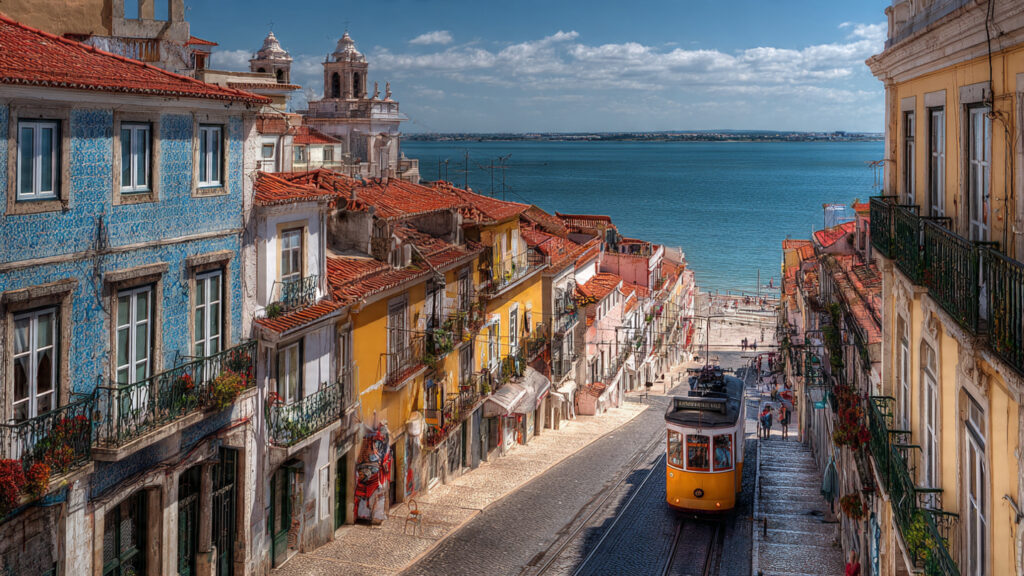
Portugal is a country boasting rich history, an incredible coastline, and unforgettable cuisine. From sunny Lisbon, where the melancholic strains of Fado fill the air, to the wine cellars of Porto, it beckons visitors with its hospitality and mild climate.
However, even experienced travelers sometimes make small oversights that can lead to unnecessary spending, wasted time, or spoil the overall impression of the trip. The main reason is often the cultural differences and local specifics that aren’t always covered in typical guidebooks. If you want to avoid tourist traps Portugal, this guide is essential.
In this guide, we will break down the five most common mistakes tourists make when visiting Portugal and provide you with clear, practical Portugal travel tips on how to easily avoid them. Knowing what not to do in Portugal will ensure you can enjoy the authentic Portuguese experience, save energy, and return home with only the best memories.
🔥 Stop Making Mistakes: Get Your FREE Portuguese Cheat Sheet!
Download the essential phrases, to travel like a local.
GET MY INSTANT ACCESS GUIDE!TOP 5 Mistakes and Tips on How to Avoid Them
Mistake 1: Misunderstanding Dining Etiquette and Tipping
Many tourists, accustomed to rapid service, don’t grasp two key aspects of Portuguese dining etiquette: the custom of serving starters and the leisurely pace of the service itself.
Couvert is Not Complimentary
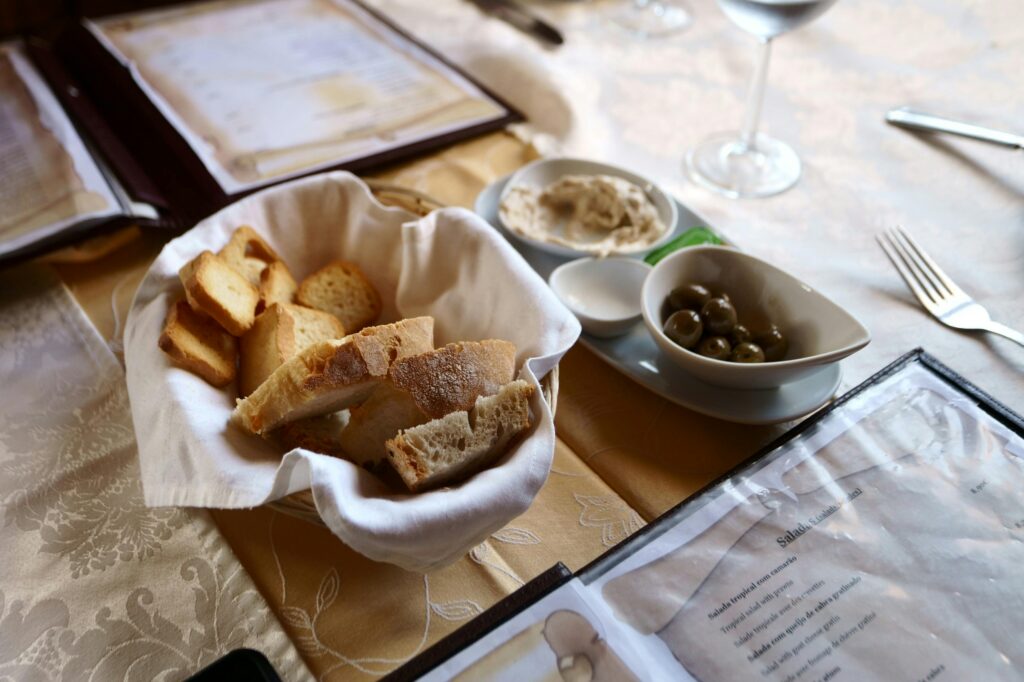
The first items to appear on your table in most traditional restaurants are often a basket of bread, butter, olives, or maybe even pâté. This is called Couvert. Crucially: these appetizers are not a free compliment from the house.
How to avoid the mistake: If you do not wish to eat them (and pay for them), simply and politely ask the waiter to take them away. If you touch them, they will be included in your final bill. On average, Couvert costs between €2 and €5 per person, which can be an unpleasant surprise.
Dining is a Ritual, Not a Race
Service in most Portuguese establishments (outside of fast-food) is incredibly unhurried. The custom here is to savor the meal, the conversation, and the moment. If you rush the waiters, it might be perceived as rude.
How to avoid the mistake: Set aside at least an hour to an hour and a half for lunch or dinner. If you need a very quick meal, look for places where food is already prepared (such as a Tasca or a Padaria).
Tipping (Gorjeta)
Tipping in Portugal is not mandatory as it is in the US. Waiters are paid a salary and do not rely on tips for their main income.
How to avoid the mistake: If the service was excellent, leaving 5-10% of the bill is a kind gesture of goodwill and appreciation. However, simply rounding up the bill to the nearest whole number is also perfectly acceptable.
Mistake 2: Relying on Taxis Instead of Public Transport and Walking
Lisbon and Porto are cities where the old districts are located on steep hills, and narrow streets often lead nowhere. Tourists frequently overpay for taxis, fearing complicated public transport, even though Lisbon transport is very well-developed here.
The Zapping and Navegante Cards
Buying single-use transport tickets every time you ride is not only expensive but also inconvenient.
How to avoid the mistake: In Lisbon, purchase the Navegante card (it costs €0.50) and top it up with credit (Zapping). This allows you to use the metro, trams, buses, ferries, and even some commuter trains at the lowest fares possible. A similar system operates in Porto (Andante card). This strategy can save you dozens of Euros.
Trams Are Attractions, Not Always Efficient Transport
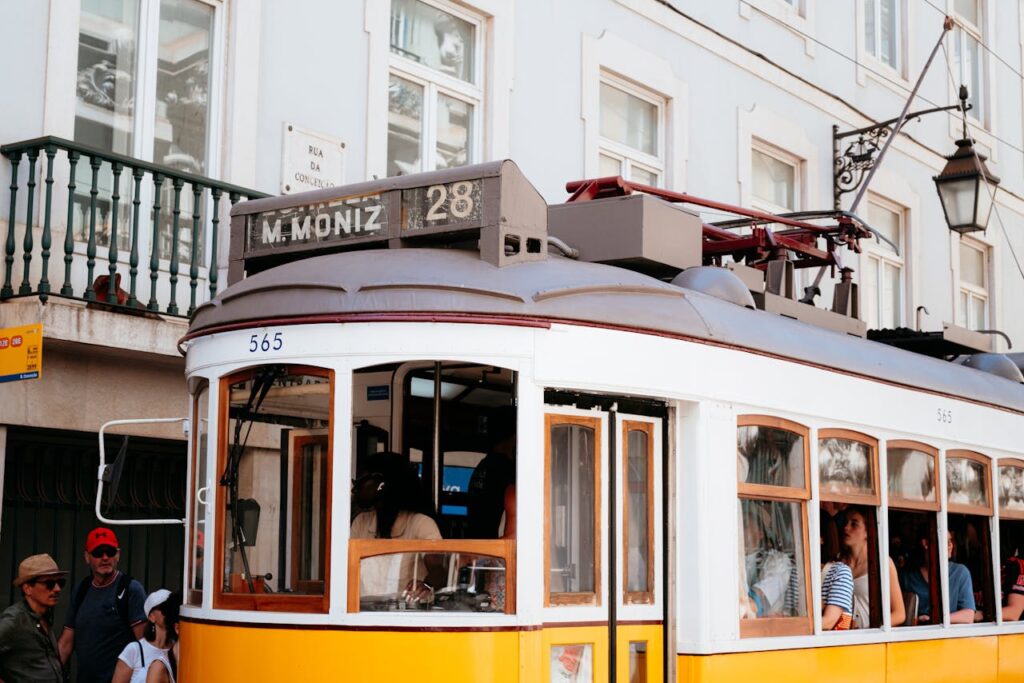
The famous Tram 28 in Lisbon is an almost mandatory itinerary item, but it is not meant for fast travel.
How to avoid the mistake: If your goal is to sightsee, get to the stop very early in the morning (before 9:00 AM). Otherwise, you will have to stand in a long queue or ride in an extremely crowded carriage. For quick transportation, use the metro. For a scenic ride on flat ground, try Tram 15.
Mistake 3: Limiting the Trip to Just Lisbon and Porto
While Lisbon and Porto are the heart of tourism, Portugal is incredibly diverse. Spending 7-10 days solely in one capital means missing out on the country’s unique beauty.
Sintra Is Not a Two-Hour Visit
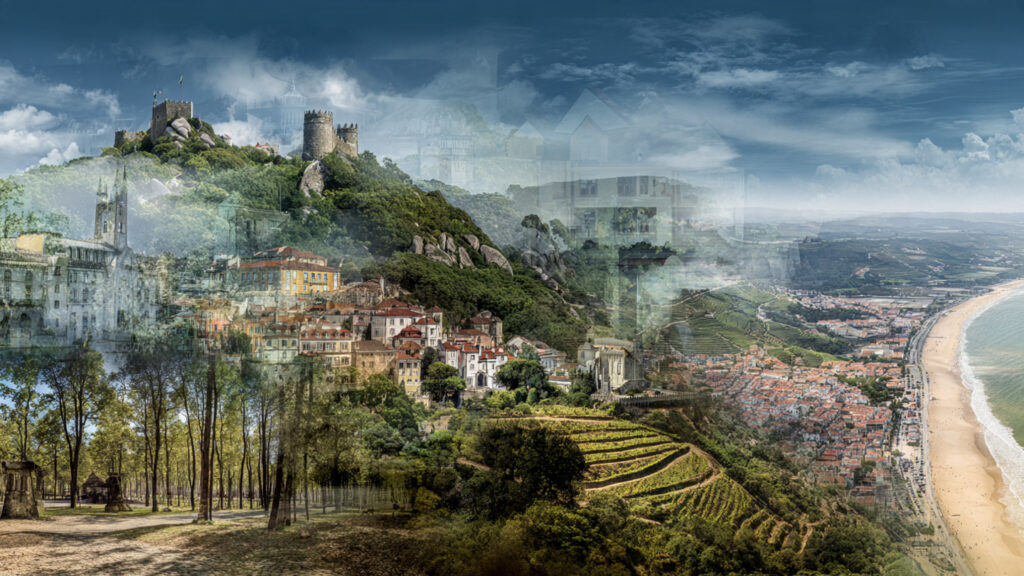
Many visitors travel to the fairy-tale town of Sintra to see Pena Palace and the Moorish Castle but fail to allocate enough time.
How to avoid the mistake: If you plan a Sintra day trip, allocate a full day. Sintra requires a full day, or ideally two, if you want to see all the major sights (Quinta da Regaleira, National Palace) without rushing. Be sure to buy your tickets online in advance to avoid multi-hour queues.
The South (Algarve) and the North (Douro)
These regions offer a completely different experience.
Algarve Coast: If you love rocky beaches, grottos, and the ocean, plan a trip to the south.
Douro Valley: If you are interested in winemaking, picturesque terraced vineyards, and traditional Quintas (estates), head north to the Douro River region.
Coimbra and Aveiro
These cities serve as an excellent “bridge” between the two major capitals. Coimbra is famous for its ancient university and unique Fado tradition. Aveiro, often called the “Portuguese Venice” with its colorful moliceiros boats, is perfect for a charming day trip.
Mistake 4: Ignoring Local Siestas and Business Hours
The Portuguese pace of life is more relaxed than in most other European countries, and this affects working hours. Being unaware of these schedules can leave you without dinner or necessary purchases.
Plan Lunch Early, Dinner Late
Unlike Central Europe, the Portuguese eat lunch and dinner late.
How to avoid the mistake: Many small, authentic restaurants may be closed from 3:00 PM to 7:00 PM for a siesta. Plan your lunch before 2:00 PM. Dinner usually starts no earlier than 7:30 PM, and in trendy places, often 8:30 PM.
Banks, Post Offices, and Small Shops
In the provinces and smaller towns, many institutions, including banks and post offices, may close for a lunch break.
How to avoid the mistake: If you need to visit an institution or buy something from a small private shop, it is best to do so in the morning. Supermarkets generally work non-stop, but their hours on Sunday can be significantly reduced.

Mistake 5: Wearing the Wrong Clothing and Footwear
Portugal’s climate is deceptive. Warm, sunny days do not always translate into warm evenings, especially in coastal cities like Lisbon and Porto, where the Atlantic influence is strong.
Layers are Your Friend
The Portuguese climate is very windy. Even if the temperature gauge reaches $25^\circ C$ ($77^\circ F$) during the day, once the sun sets, the temperature drops sharply, and the strong ocean wind quickly causes discomfort.
How to avoid the mistake: Always carry a light jacket, windbreaker, or a scarf, even in the middle of summer. This is especially true if you plan to visit viewpoints (miradouros) or take an evening ferry ride.
Footwear for Portuguese Pavement (Calçada Portuguesa)
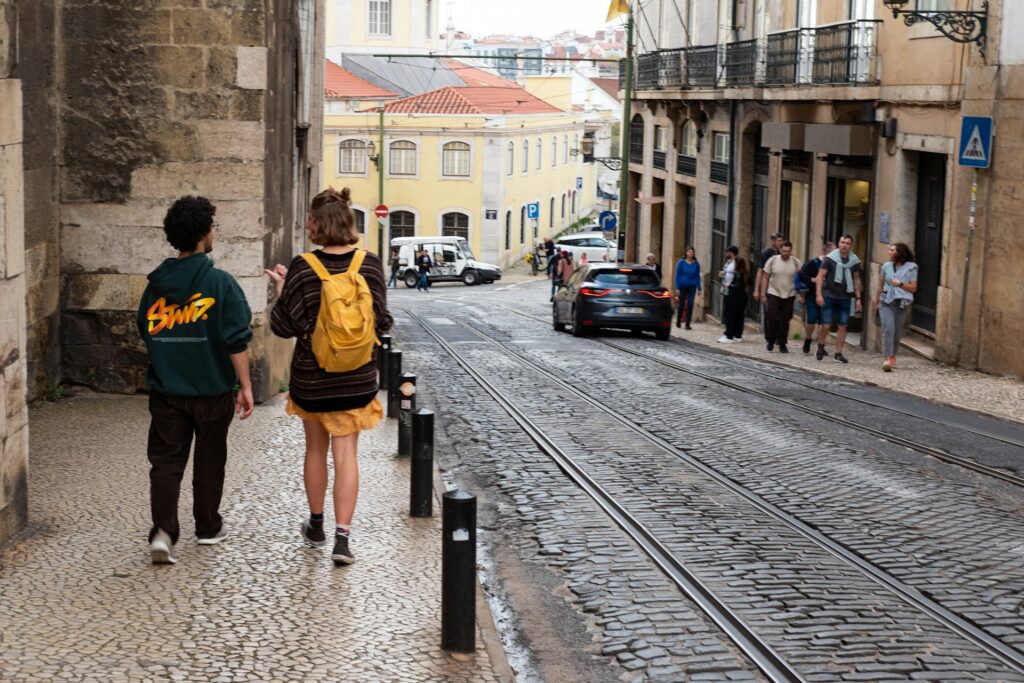
The charming traditional Portuguese pavement (Calçada Portuguesa) you’ll see in the old districts is beautiful but very treacherous. It can be incredibly slippery, especially after rain, and highly uneven.
How to avoid the mistake: Avoid thin or high heels. The slippery nature of the Calçada Portuguesa makes comfortable footwear essential. Your best friend is comfortable, non-slip footwear with a flat sole or sneakers. You will be doing a lot of walking, and your feet will thank you.
Conclusion: Plan an Unforgettable Journey
Avoiding these common mistakes tourists make in Portugal is simple. A little planning, knowledge of local nuances, and respect for the Portuguese pace of life will help you dive deeper into the unique culture.
Take your time, enjoy every moment, be polite, and be prepared for long walks. Portugal awaits you — with no mistakes, only memories!
Don’t forget to grab your free Portuguese Cheat Sheet to make your trip even smoother!