
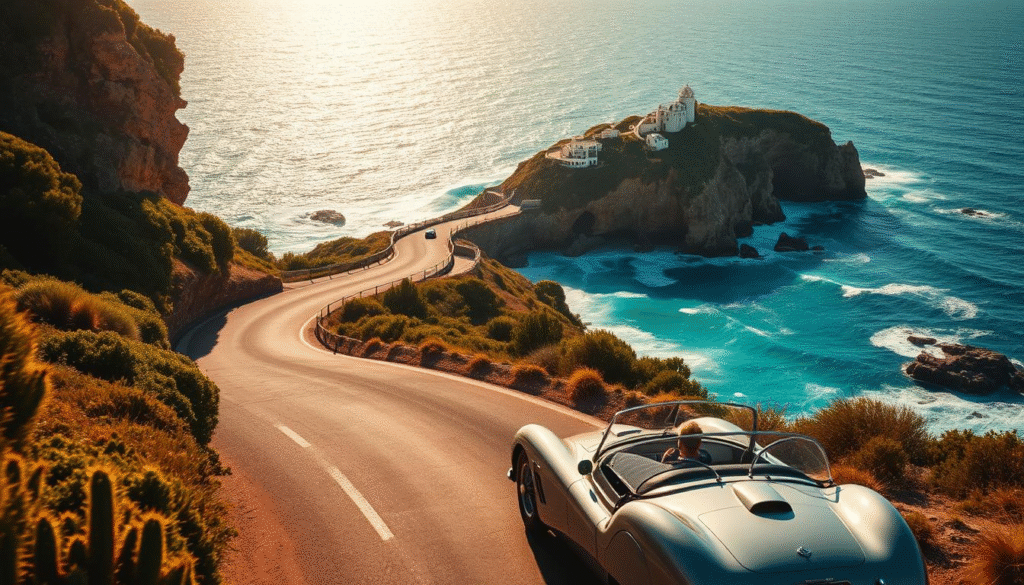
Planning a 7-day itinerary for the Algarve coast requires careful consideration of the region’s unique geography, culture, and attractions. As I guide you through this journey, you’ll discover the best routes and experiences that make the southern coast of Portugal a standout destination.
The Algarve region is known for its picturesque towns and breathtaking natural landscapes. This road trip is designed to immerse you in the beauty and charm of the area, providing a mix of relaxation and adventure.
Key Takeaways
- Discover the best routes for your 7-day journey
- Explore the picturesque towns and natural landscapes
- Experience the unique culture and attractions of the Algarve coast
- Plan your trip with a suggested 7-day itinerary
- Make the most of your road trip with insider tips
The Magic of an Algarve Trip: Why Visit Portugal’s Southern Coast
The Algarve region in southern Portugal is a treasure trove of diverse landscapes and rich cultural heritage. As I delve into the reasons why the Algarve is a must-visit destination, it becomes clear that its unique geography and culture are major draws.
The Unique Geography and Culture of the Algarve
The Algarve’s diverse landscapes range from golden beaches to limestone cliffs and rocky coves. The region’s cultural heritage is equally impressive, with a blend of Moorish, Roman, and Portuguese influences evident in its architecture, cuisine, and traditions. This blend creates a fascinating cultural identity that is distinctly Algarve.
Why a Road Trip is the Perfect Way to Explore
A road trip is an ideal way to experience the Algarve’s diverse landscapes and culture. With the freedom to create your own itinerary, you can explore hidden beaches, visit historic towns, and enjoy the local cuisine at your own pace. The Algarve’s scenic roads and picturesque villages make it a perfect destination for a road trip adventure.
Best Time to Visit the Algarve Coast
The Algarve Coast, with its Mediterranean climate, is a year-round destination, but timing your visit correctly can make all the difference. Understanding the peak and shoulder seasons can help you plan a more enjoyable and relaxed trip.
Peak Season vs. Shoulder Season Benefits
The peak season, from June to August, offers warm weather and a vibrant atmosphere, ideal for beachgoers and those who enjoy water activities. In contrast, the shoulder season (April to May and September to October) provides a more relaxed experience with fewer tourists and lower prices, making it perfect for those who prefer a quieter vacation.
Weather Patterns Throughout the Year
The Algarve enjoys mild winters and warm summers. Spring and autumn are particularly pleasant, with comfortable temperatures ranging from 18°C to 25°C (64°F to 77°F), ideal for outdoor activities like hiking and sightseeing.
Ideal Months for Road Tripping the Coast
For a road trip, September and October are considered ideal due to the warm weather and fewer crowds. These months offer a great balance between enjoying the beaches and exploring the region’s natural beauty without the peak season hustle.
Getting to the Algarve: Transportation Options
With Faro International Airport and good road connections, the Algarve is easily accessible. Whether you’re flying into Portugal or driving from nearby cities, reaching this beautiful region is straightforward.
Flying to Faro International Airport
The most convenient way to reach the Algarve is by flying into Faro International Airport (FAO). Located near the capital city of Faro, this airport receives flights from major European cities, especially during peak travel seasons. Upon arrival, you can rent a car or take a taxi to your destination.
Traveling from Lisbon to the Algarve
If you’re already in Portugal, traveling from Lisbon to the Algarve is relatively easy. You can drive via the A2 highway, which takes approximately 3 hours depending on traffic. Alternatively, you can take a bus or train from Lisbon’s main stations.
How Far is Algarve from Porto and Other Major Cities
The Algarve is also accessible from other major Portuguese cities like Porto. The distance from Porto to Algarve is about 570 km (354 miles), and the drive typically takes around 5-6 hours. You can also fly from Porto to Faro, which significantly reduces travel time.
Overall, the Algarve’s transportation options make it an easily accessible destination for travelers from both within Portugal and abroad.
Renting a Car in Portugal: Essential Information
The freedom to discover Portugal’s beautiful Algarve region lies in renting the right car, a process that involves several important considerations. As you prepare for your trip, understanding the requirements and options available will make a significant difference in your travel experience.
Rental Requirements and Documentation
To rent a car in Portugal, you’ll typically need a valid driver’s license, a credit card, and a passport. Ensure your driver’s license is valid for at least a year, and consider obtaining an International Driving Permit (IDP) if your license isn’t in the Roman alphabet.
Cost Expectations and Insurance Options
Costs vary based on the car type, rental duration, and season. Expect to pay between $40 to $100 per day. Insurance options include Collision Damage Waiver (CDW) and Theft Protection, which are highly recommended.
Navigating Portuguese Roads and Toll Systems
Portugal’s roads are generally well-maintained, but be prepared for tolls on highways. You can pay with cash or use an electronic toll device. For American visitors, driving on the right side of the road and navigating roundabouts may require some adjustment.
Driving Tips for American Visitors
“Driving in Portugal is relatively straightforward, but be aware of strict traffic laws and the use of toll roads,” says a seasoned traveler. Keep your vehicle’s headlights on during the day, and be cautious of pedestrians and cyclists.
Day 1: Faro and the Eastern Algarve
Begin your journey in Faro, the capital of Portugal’s southern coast. This charming town serves as the perfect introduction to the Algarve’s history, culture, and natural beauty.
Exploring Faro’s Historic Center and Marina
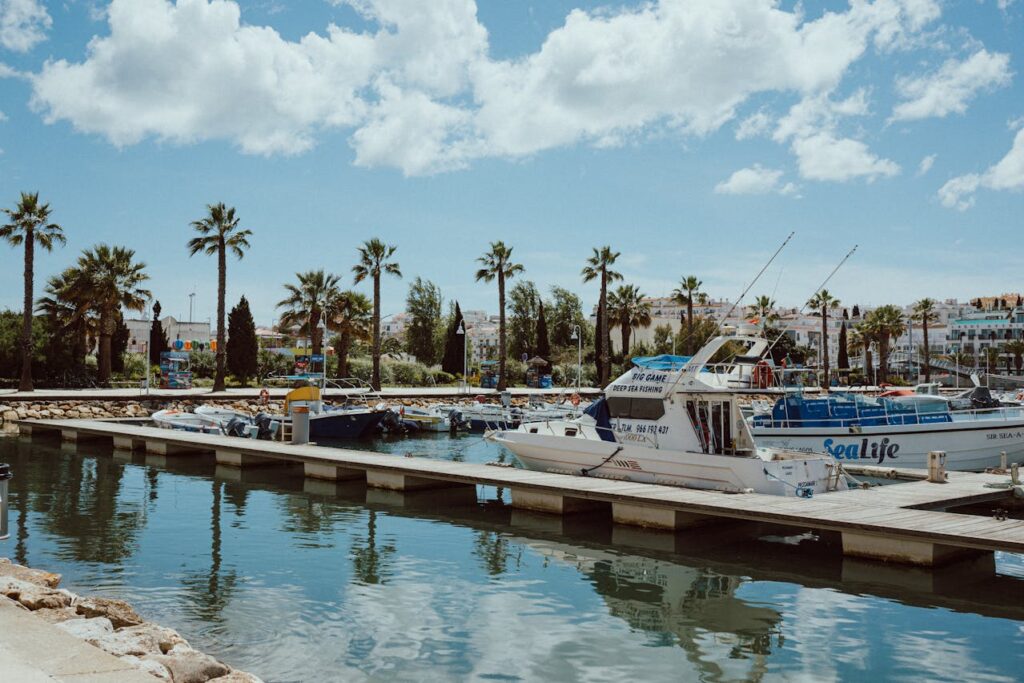
Start in Faro’s historic center, where narrow streets lead to the Sé de Faro Cathedral, a fine example of Gothic architecture. Stroll to the nearby marina, filled with picturesque boats and lively cafés—an ideal spot for a leisurely breakfast.
Ria Formosa Natural Park and Beaches
Next, visit Ria Formosa Natural Park, a protected area of lagoons, sand dunes, and diverse wildlife. Enjoy a walk, picnic, or simply relax by the water. Nearby beaches include:
| Beach | Location | Features |
| Praia de Faro | Faro Island | Golden sand, calm waters |
| Olhão Beach | Olhão | Seafood restaurants, lively vibe |
Evening in Olhão
Finish the day in Olhão, a traditional fishing village famous for its seafood. Dine at one of the local restaurants while soaking up the seaside charm.
Day 2: Tavira and the Spanish Border
Day two takes you to Tavira, a town where history, culture, and relaxation blend beautifully.
Roman Bridge and Historic Churches
Explore Tavira’s historic center and cross the Roman Bridge over the Gilão River. Wander the streets to discover historic churches, each with unique architecture and character.
Island Beaches: Ilha de Tavira
Take a short ferry ride to Ilha de Tavira, an island beach known for golden sands and crystal-clear waters—perfect for swimming and sunbathing.
Castro Marim Salt Flats and Fortress
Continue toward the Spanish border and visit Castro Marim, home to historic salt flats and a medieval fortress with panoramic countryside views.
Day 3: Albufeira and Vilamoura
Central Algarve combines history with modern leisure in Albufeira and Vilamoura.
Albufeira’s Old Town and Beaches
Wander Albufeira’s old town with its winding alleys and historic buildings. Relax on renowned beaches like Praia da Rocha and São Rafael, both offering soft sand and turquoise waters.
Vilamoura Marina and Activities
Head to Vilamoura for upscale leisure. The marina is lined with yachts, restaurants, and shops. Options include world-class golf courses and relaxing beach days.
| Activity | Location | Description |
| Golfing | Vilamoura Courses | Play at some of Europe’s best greens |
| Beach Relaxation | Praia da Rocha, São Rafael | Swim and sunbathe on golden sands |
| Marina Visit | Vilamoura Marina | Stroll along luxury yachts |
Nightlife in Central Algarve
End the day with nightlife in Albufeira and Vilamoura, from lively beach bars to vibrant clubs.
Day 4–5: Lagos, Sagres, and the Western Coast
The western Algarve reveals dramatic cliffs, hidden beaches, and historic towns.
Lagos’ Historic Center and Beaches
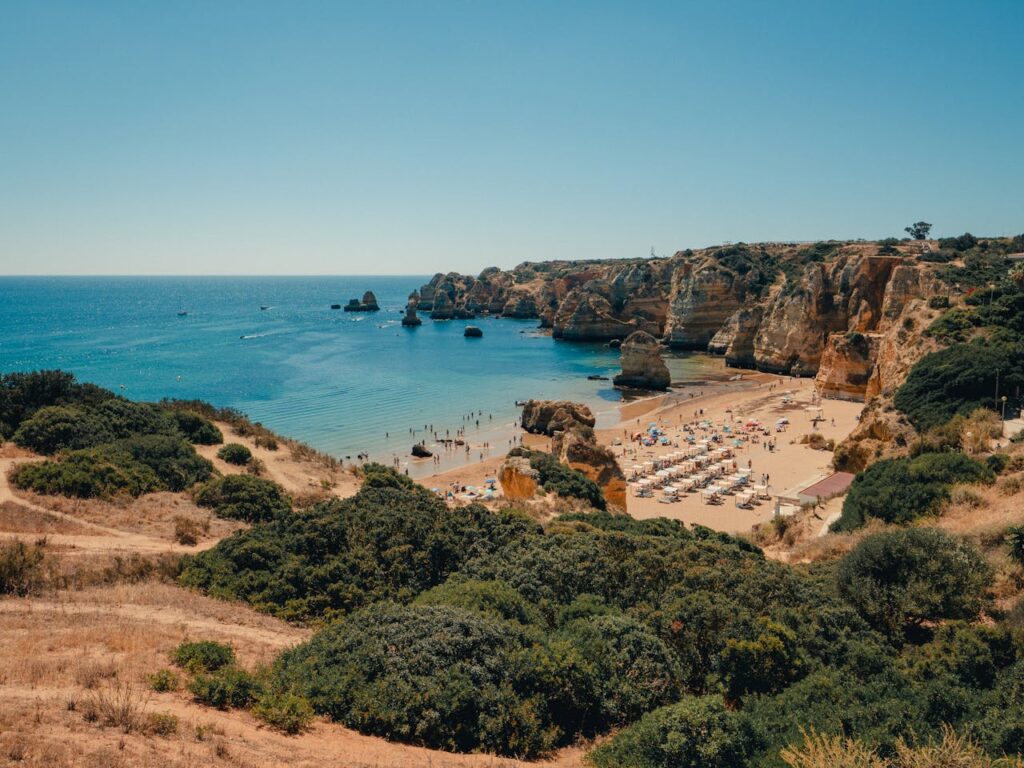
Visit Lagos, with its medieval square Praça do Infante D. Henrique, charming shops, and nearby beaches like Meia Praia.
Ponta da Piedade Cliffs and Boat Tours
Take a boat tour around the Ponta da Piedade cliffs to explore caves, grottos, and hidden bays.
Sagres Fortress and Europe’s Southwestern Tip
Travel to Sagres to see the historic fortress and take in panoramic views at Europe’s southwesternmost point.
Hidden Beaches
Seek out secluded gems like Praia do Martinhal or Barril Beach for peaceful escapes.
Day 6–7: Monchique Mountains and Return Journey
Scenic Drive Through the Monchique Mountains
Leave the coast for the Monchique Mountains, where winding roads reveal lush forests and panoramic viewpoints. Stop at local cafés to enjoy regional treats.
Caldas de Monchique Spa Town
Relax in Caldas de Monchique, a historic spa town with natural hot springs.
Silves Castle and Medieval Town
Explore Silves, known for its well-preserved medieval castle and Gothic cathedral.
| Attraction | Location | Description |
| Caldas de Monchique | Monchique Mountains | Spa town with natural hot springs |
| Silves Castle | Silves | Medieval stronghold with rich history |
| Scenic Drives | Monchique Mountains | Panoramic mountain viewpoints |
Return to Faro
End the trip back in Faro, with one last chance to enjoy the Algarve’s coastline as the sun sets over the Atlantic.
Accommodation Guide: Where to Stay Along the Route
Finding the right accommodation is crucial for a comfortable Algarve coast road trip. The region offers a wide range of options to suit various budgets and preferences.
Budget-Friendly Options in Each Area
For those on a tighter budget, the Algarve has numerous affordable accommodations. In Faro, you can find hostels and budget hotels near the historic center. In more touristy areas like Albufeira, budget-friendly apartments and guesthouses are available.
Mid-Range Hotels and Guesthouses
Mid-range travelers can enjoy comfortable stays in hotels and guesthouses throughout the Algarve. These establishments often provide a good balance between price and amenities, including pools, breakfast services, and proximity to main attractions.
Luxury Resorts and Boutique Stays
For a more luxurious experience, the Algarve boasts high-end resorts and boutique hotels, especially in areas like Vilamoura and Quinta do Lago. These offer premium amenities, spa services, and often private beaches.
Booking Tips and Seasonal Considerations
It’s advisable to book accommodations in advance, especially during peak season (June to September). Consider the location and amenities when choosing, and be aware that prices can vary significantly with the season.
Practical Tips for Your Algarve Coast Road Trip
To make the most of your time in the Algarve, it’s essential to be prepared with the right knowledge and planning. A well-planned trip can make all the difference in creating unforgettable memories.
Budgeting for Your Week in the Algarve
Budgeting is a crucial aspect of any trip. The Algarve offers a range of accommodation options, from budget-friendly guesthouses to luxury resorts. To save money, consider visiting during the shoulder season (April-May or September-October), when prices are lower, and the weather is still pleasant. Additionally, eating at local restaurants and trying traditional Portuguese cuisine can be both delicious and affordable.
Essential Portuguese Phrases for Travelers
While many locals in the Algarve speak English, learning a few essential Portuguese phrases can go a long way in enhancing your experience. Simple phrases like “obrigado/obrigada” (thank you) and “por favor” (please) can make a big difference. You can also download a translation app or carry a phrasebook to help you communicate.
Suggested Product: Portuguese Cheat Sheet FREE (printable)
Navigating Without a Car: Is it Possible?
While having a car provides the most flexibility, it’s not the only way to explore the Algarve. Public transportation, including buses, can help you get around. Many towns also have bike rental services, allowing you to explore on two wheels. However, to fully experience the Algarve’s hidden gems, renting a car is highly recommended.
Packing Recommendations for the Algarve Climate
The Algarve’s climate is generally mild, but it’s still important to pack accordingly. Bring comfortable clothing, sunscreen, and a hat to protect yourself from the sun. In the summer, light, breathable clothing is a must, while in the spring and autumn, layers are recommended. Don’t forget to pack a good camera to capture the stunning landscapes.
Suggested Product:
- Packing List FREE“ (printable) — the one I use for every trip.
Conclusion: Creating Unforgettable Memories in Portugal’s Algarve
A 7-day road trip along Portugal’s Algarve coast offers far more than just scenic drives—it is an opportunity to fully immerse in the region’s landscapes, history, and hospitality. From the historic center of Faro to the dramatic cliffs of Ponta da Piedade, every stop reveals a new side of the Algarve’s charm.
Travelers can expect a mix of experiences: island-hopping from Tavira, exploring medieval towns like Silves, relaxing on golden beaches in Albufeira, or discovering hidden coves along the western coast. Each destination combines cultural heritage with natural beauty, ensuring variety and excitement throughout the journey.
The Algarve leaves a lasting impression with its diverse scenery, rich traditions, and welcoming atmosphere. For many visitors, the trip sparks a desire to return and uncover even more of this remarkable region of Portugal.
Suggested Product:
- Printable “Family Vacation Planner” – Editable planner templates for organizing trips, including daily itineraries, packing lists, and budget trackers. [Download here]
FAQ
Is Algarve worth visiting?
Yes, the Algarve is a popular tourist destination known for its stunning beaches, rich cultural heritage, and welcoming communities, making it well worth a visit.
How far is Algarve from Lisbon?
The Algarve region is approximately 280 kilometers (174 miles) south of Lisbon, making it easily accessible by car or flight.
Can you get around Algarve without a car?
While having a car provides more flexibility, it is possible to get around the Algarve using public transportation, including buses and trains, as well as taxis and tour services.
What is the best time to visit the Algarve?
The best time to visit the Algarve depends on your preferences, but generally, the shoulder season (April-May and September-October) offers pleasant weather and fewer crowds.
How many days are enough for an Algarve trip?
A 7-day trip is a good amount of time to explore the Algarve, allowing you to visit various towns, beaches, and attractions without feeling rushed.
What is Algarve known for?
The Algarve is known for its golden beaches, rock formations, golf courses, and rich cultural heritage, including historic towns and landmarks.
Is it easy to drive around Portugal?
Yes, driving around Portugal is relatively easy, with well-maintained roads and clear signage, although tolls and parking fees may apply in certain areas.
What are the nearest beaches to Faro?
Some of the nearest beaches to Faro include Praia de Faro, Olhão Beach, and the beaches on the Ilha de Faro, which are easily accessible by car or public transportation.
What is the nicest part of the Algarve?
The Algarve is a diverse region, and the “nicest” part can vary depending on your interests, but many visitors enjoy the historic town of Tavira, the beaches of Albufeira, and the natural beauty of the Ria Formosa Natural Park.
Note: This post contains affiliate links. If you click and make a purchase, I may receive a small commission at no extra cost to you. Thank you for supporting this blog!